
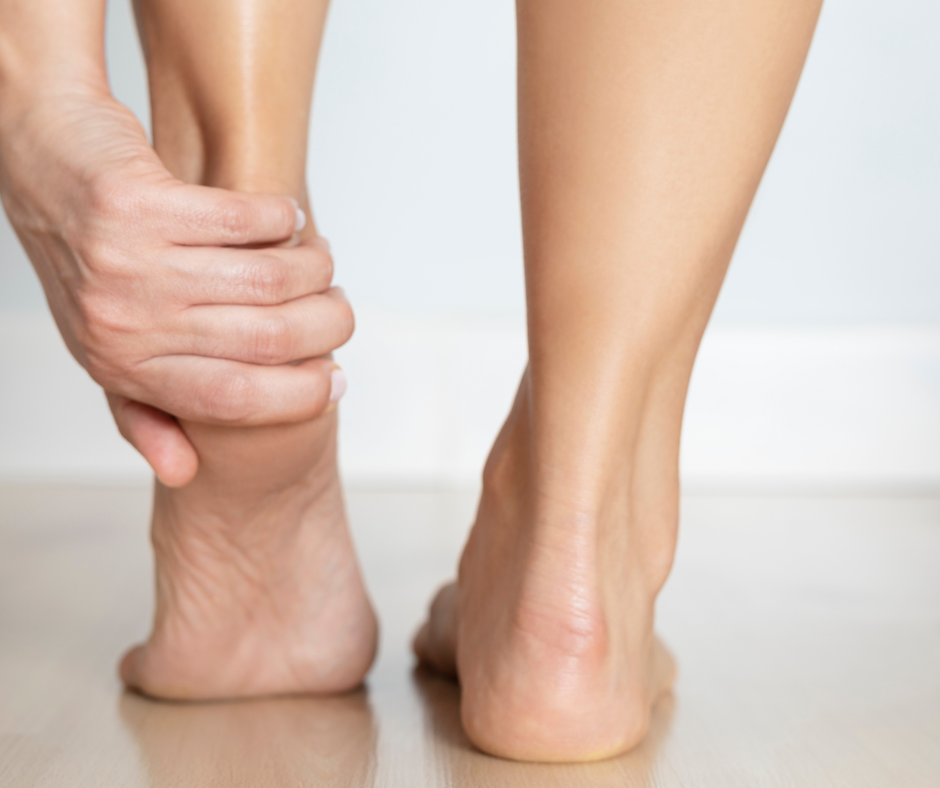
When you wake up, do you feel a sharp pain in the bottom of your heel?
It’s worse with the first step, maybe. But then, over the next 15 minutes, the pain fades to a dull ache. You think you’ve “walked it off,” but the moment you sit down at your desk for an hour and stand back up, the pain strikes again.
You’ll probably want to see a podiatrist if this sounds familiar. This classic sign of a chronic condition: Plantar Fasciitis and not just morning stiffness. Read on to learn exactly what’s hurting, why, and what you can do about it.
The Anatomy of the Morning Sting
Your plantar fascia is a thick, fibrous band of ligament that runs from your heel bone to the base of your toes. It acts as the primary shock absorber and bowstring for your arch.
When flat feet, high-impact exercise, or hard floors place too much stress on this band, it develops microscopic tears and becomes inflamed.
- Why does it hurt in the morning? Your foot relaxes and points downward when you sleep. This allows the inflamed plantar fascia to shorten and tighten overnight.
- The “First Step”: Putting your full body weight on your foot in the morning violently forces` that tight, inflamed tissue to stretch out instantly. That sharp pain is the tissue tearing all over again.
The Heel Pain Checklist
Not sure if it’s Plantar Fasciitis? Check your symptoms against this list:
- [ ] Is the pain worse during the first few steps of the morning?
- [ ] Does the pain return immediately after periods of rest or sitting?
- [ ] Do you have flat feet (overpronation) or very high, rigid arches?
- [ ] Do you feel the pain directly on the bottom of the heel (rather than the back)?
If you checked “Yes” to these, your arch is failing structurally, and you need to address it.
Cushion vs. Correction
The biggest mistake patients make is rushing to the pharmacy to buy a squishy gel insert.
A gel pad provides cushion, which might feel soft for a few days, but it does nothing to stop the plantar fascia from tearing.
To heal the tissue, you need correction.
The Southern Maryland Protocol
We treat the root cause, not just the symptom. Our comprehensive protocol includes:
- Custom Orthotics: We build prescription devices that support your arch into a neutral position. By acting as a structural floor, they stop the fascia from stretching and tearing with every step.
- Night Splints are a brace you wear while you sleep. This holds the fascia in a lengthened position overnight, eliminating that morning “sting.”
- Advanced injection therapies work with your body’s natural healing processes. These injections address the root cause of your discomfort to promote true healing.
- Shockwave Therapy: This non-invasive treatment jumpstarts your body’s natural healing mechanisms. It features zero downtime and a very high success rate, particularly when more conservative options fail.
You don’t have to start your day limping. Invest in your health to improve the way you feel and walk. Contact us today to get the structural support you need!
Southern Maryland Foot & Ankle emphasizes education, working together with patients to choose the best approach for treatment. We offer proven, up-to-date care in a welcoming and supportive environment. Call us today to schedule your next appointment!